


Learning how to improve your credit score can be tricky because there are multiple factors to consider. Fortunately, building a better credit score is possible with a few lifestyle changes and careful financial management.
This guide will explain what credit scores and credit reports are and how to review your credit report. We’ll then share ways to improve your credit score and useful resources for disputing any errors on your credit report.
What Is a Credit Score and Why Does It Matter?
Your credit score is a general reporting of your spending and payment habits. It tells financial institutions how likely you are to pay back a loan or debt as agreed.
A good credit score can help you qualify for better financial opportunities. For example, improving your credit score can increase your chances of:
- Getting approved for a private student loan
- Receiving better terms on a mortgage
- Eliminating the need for co-signers when renting
- Lowering your interest rates when signing up for a new credit card
You don’t need a good credit score to enroll in a debt management plan, but a low score can still limit you in other ways. In this guide, we’ll explore aspects of your life in which a credit score can affect you.
What Impacts Your Credit Score the Most?
Your payment history is one of the most important factors impacting your credit score. Lenders want to see a history of making payments on time.
Your payment history can include factors such as:
- Late payments: Do you consistently make payments on time, or have you missed payments?
- Defaults: Have you ever defaulted on a loan or credit account? A default generally occurs when you fail to meet repayment terms. Depending on the type of account and the lender’s policies, serious nonpayment can be reported to the credit bureaus and may negatively affect your credit score.
- Hard inquiries: These occur when lenders or creditors check your credit report as part of a credit application. Hard inquiries can affect your credit score.
How Long Can It Take to Improve Your Credit Score?
It’s possible to improve your credit score within one to three months of paying off a credit card or another form of debt. However, factors such as repayment history and the number of credit cards you have will affect this timeline.
What Can Hurt Your Credit Score?
The most common factors that hurt your credit score are missing payments, maxing out all your credit lines, closing your credit accounts, and failing to respond to credit card collection agencies. Your credit score may also go down a little if you only rely on one card to build your credit.
Fortunately, there are many safe pathways toward gradually increasing your credit score.
What Is a Credit Report and How Do Agencies Use It?
 It’s difficult to build or rebuild credit without understanding what’s on a credit report to begin with. Let’s take a closer look at credit reports and what they contain.
Think of your credit report as a file that holds information about you, including your current and previous addresses, credit accounts, and payment history. Your credit report may also include certain public-record information, such as a bankruptcy. If you have a mortgage or auto loan, these accounts may also appear.
Your credit report includes the following details:
- Personal information (generally no direct impact on your score): This may include your name, current and previous addresses, and employers associated with your credit accounts.
- Trade accounts (tradelines): These contain information about your current and some past credit accounts, depending on the account and reporting practices. It can include balances, account status, credit limits or loan amounts, and payment history.
- Public records: This refers to limited public-record information such as bankruptcy records from the past 7-10 years.
- Inquiries: This section lists companies that have accessed your credit report, generally showing inquiries from the past two years. Credit scoring models only look at hard inquiries from the past 12 months, though these stay on the report for 24 months.
- Personal statement (generally no direct impact on your score): In some circumstances, you may be able to add a brief statement to your credit report to explain any information that needs additional context.
Lenders and other businesses may obtain your credit report for certain legally permissible purposes, such as evaluating applications for credit, insurance, employment, or housing. When evaluating your creditworthiness, they may consider factors such as your credit history, credit utilization, payment history, and types of credit accounts.
They will ask questions such as:
- Do you use available credit responsibly and keep your balances relatively low?
- What types of credit accounts do you have?
- Have you recently applied for new credit or opened new accounts?
The Importance of Credit Scores
Credit is the ability to borrow money or access goods and services with the understanding that you’ll repay what you owe. Your credit score is one factor lenders may use to assess your creditworthiness.
Here are a few ways your credit history or credit score may affect what you pay for the following:
- Auto and Home Insurance: In some states, insurers may use credit-based insurance scores as one factor when determining premiums. Poor credit may result in higher premiums. Before obtaining insurance, ask the insurer whether they use credit-based insurance scores and how credit information may affect your premium.
- Employment: Some employers may review credit reports along with performing a background check. Employers generally must obtain your written permission before obtaining a credit report for employment purposes. If an employer raises concerns about information in your credit report, be prepared to explain any relevant circumstances.Employers may also check credit when considering an employee for a promotion or transfer, but they normally need the employee’s permission. If you’re a first responder, we have specialized debt relief programs designed for qualifying borrowers in your industry.
- Housing: Landlords and property management companies may review your credit report when evaluating a rental application. However, their screening criteria vary, and some may treat medical debt differently from other types of debt. Larger property management companies may use standardized screening criteria, while smaller landlords may take a more individualized approach.
- Loans: The higher the score, the better the interest rates you pay for standard bank loans (auto, home, signature). If your score is too low (mid to low 500s), you may be denied a loan completely or receive an interest rate in the high teens to twenties.
Examine your credit report every year to check for fraud or misreporting that may be affecting your credit score. While eight out of ten credit reports contain some sort of error, one in four contains an error significant enough to cause you to be denied credit despite the positive information on your record.
Have You Pulled Your Credit Report Lately?
 Learning how to improve your credit score involves regularly reviewing your reports and staying aware of the information they contain.
Information found on credit reports and that three-digit number called a credit score have become integral decision factors in today’s world. You have the right to see your credit report and ensure it is accurate, which is especially important before you apply for a loan.
Here are some ways to take advantage of the FACT Act, which allows you to monitor your own credit:
- Pull your credit regularly at www.AnnualCreditReport.com. Each person is entitled to one credit report from each of the three bureaus every week (previously, it was only once every 12 months). This translates into 156 free credit reports per year!
- You can always dispute inaccurate information. If you see something that just doesn’t look right, dispute it with the credit bureaus by going directly to their websites or by writing to them. If an item is negative, but it is accurate, it has to stay on the credit report until it is due to come off (generally seven years for negative information).
- Anything a credit repair company can legally do, you can do for yourself. Just as you can pay someone to cook your meals, clean your house, and mow your lawn, you can also pay somebody to “clean up” your credit. However, you can do all those tasks yourself. Save yourself some money by writing your own dispute letters.
- Keep a paper trail. One advantage of sending a dispute by mail is that you can include copies of supporting documentation (don’t send originals) and send it by certified mail. Always write down who you talk to and other important information each time you speak with a creditor. It’s easy to get lost in large organizations with multiple international call centers.
Overwhelmed by these steps? We offer credit counseling to help you every step of the way.
How to Dispute Discrepancies on Your Credit Report
There are a couple of ways to file a dispute with a consumer reporting agency. The recommended way is to contact the credit bureaus that have the error using the dispute option on their website:
Disputing the error online is the quickest and easiest way. You can also choose to place a phone call or write a letter to dispute the information on your report with the appropriate credit bureau. You will want to specifically identify each issue you’ve found and include copies of supporting documents. Make sure you keep a copy of your dispute letter.
The second step is to contact the creditor or entity that reported information incorrectly within your file. Again, only send copies of supporting documents, and keep a copy of your letter, too.
If you have any questions or would like to discuss your financial challenges, please call us at your convenience. As always, we are here to help and look forward to hearing from you.
Correcting Credit Report Errors from Defunct Creditors
Here is a question some people may wonder about:
What can I do if the title loan company to which I once owed money, but have paid in full, has gone out of business, yet is still listed on my credit report with money owing?
Much of the method for dealing with this situation goes back to the typical process of correcting one’s credit report.
- First, dispute the credit report error online through each of the three national credit bureaus.
- If that doesn’t work, call the company using the phone number listed on the credit report. Attempt to correct the problem directly with the title loan company’s representative.
- If that doesn’t work either, try looking up the company on the Secretary of State’s business entity search website for that state. Even if the company went out of business, the business listing should include an owner or board member to contact (likely through a mailing address). Make contact and request information on how to address accounting errors.
These suggestions apply to similar situations involving other defunct creditors listed on one’s credit report, for example, debt collectors, banks, and credit unions.
If you run into any issues along the way or just need advice on where to begin or what to do, call Debt Reduction Services at 1-866-688-3328 and speak to a certified consumer credit counselor. They can assist you with your budget as well as help you identify areas in which you can potentially save money. Be wary of credit repair or debt settlement, as working with the wrong company could worsen your situation.
For more information on how to improve your credit report, visit consumer.ftc.gov for resources that protect you and improve your overall financial picture.
Once you’ve ensured that the information on your report is correct, you will want to review the primary factors used in determining your creditworthiness:
- Do you have collection debt that needs to be resolved?
- Do you frequently pay your bills late?
- Do you owe a high percentage of your credit limit on your accounts?
Those items all have a fairly heavy impact on your credit profile.
Did you spot a problem? Make a plan to start correcting it. Perhaps you’ve found an old collection debt that you can make a priority to repay, or maybe you’ve seen your balances maxing out. Regardless of the specific issue, remedy it as soon as possible. Or, if you want to consolidate, you can also check out our debt consolidation calculator to start crunching numbers.
10 Tips for Strengthening Your Credit Score
The guiding principle behind each of the following tips is to manage and use your credit wisely: pay your debts according to the terms you have signed, and avoid excessive debt. Read through the following tips to learn how to improve your credit score:
Tip #1: Pay all your bills on time and in full every month. If you have secure access to the internet, consider paying your bills online to avoid mail delivery delays.
Tip #2: Get current on your credit accounts. If you’ve missed or been late on payments, find a way to catch up. The negative effects of late or missed payments do decrease over time as you establish a positive payment history.
Tip #3: Pay down the total balances owed on your credit accounts. Don’t just transfer money from one card to another. Avoid using a credit card to purchase anything you can’t pay off by the next credit card statement.
Tip #4: Don’t close accounts in good standing as a ‘quick fix’. Information from any account, whether closed or open, remains on your credit report for 7 years.
Tip #5: Don’t be afraid of credit counseling. In 1998, FICO dropped credit counseling as a factor influencing the credit scoring model, in part because individuals actually become less of a credit risk when they receive credit counseling.
Tip #6: Avoid applying for a lot of new credit accounts within a short period, particularly if you have little or no credit history.
Tip #7: Stay in contact with your creditor if you’re having trouble making payments. Continue making payments as agreed when possible, or ask whether the creditor offers a modified payment plan. Accounts that are sent to collections or charged off can remain on your credit report for up to seven years, although their impact on your credit score may decrease over time.
If you struggle to make even the minimum payments, contact a reputable credit counseling organization such as Debt Reduction Services.
Tip #8: Know your credit limit and stay away from it. “Maxing out” your credit cards, which refers to reaching or exceeding your credit limit, can hurt your credit score.
Tip #9: Live within your means and replace poor spending habits with more disciplined spending. Monitor your checking account regularly to help avoid overdrafts and declined debit card purchases.
Tip #10: Check your credit reports regularly for mistakes and inaccuracies. Go to www.AnnualCreditReport.com to print and download your free report for each of the three national credit reporting agencies. If you want your credit score, you will be required to pay for it, though you may have access to it through your bank’s online tools. Checking your own credit report in this way won’t harm your credit.
How to Rebuild Your Credit Rating
While on our Debt Consolidation Program, some people without a major credit card may feel that building or repairing their credit is an insurmountable challenge. Others may not have any credit established, or have only poor credit, and don’t know where to begin improving their situation.
The following are some simple steps that can contribute to better credit ratings.
State and federal regulators require this disclosure: The list is not exhaustive, nor are the suggestions guaranteed to help you.
Watch Debt Reduction Services’ Director of Education, Todd Christensen, explain how to begin building or rebuilding your credit score in this video:
While you learn how to improve your credit score, do you need a place to start managing your debt payments? Try our debt consolidation calculator to get an idea of what you could be paying instead.
4 Free Steps to Improve Your Credit Score
 1. Ask a family member with good credit to add you as an authorized user to their current credit card account(s). You don’t have to use or even see the card. It has no impact on the family member’s rating, and their good account activity can help your own standing before creditors.
Keep in mind, though, that the family member is responsible for any charges made on their card.
2. Some utility companies report payment history to the credit bureaus, although they are not generally required to do so. If you want your utility payments to help build your credit history, ask the utility company whether it reports payments to the credit bureaus. Make sure the utility account is in your name, too.
3. Be careful not to let any checks bounce. If a bounced check generates fees and your account is closed due to unpaid fees, your debt being sent to collections can affect your credit score.
4. Consider having a parent or family member co-sign with you for unavoidable loans, such as a car. Be careful not to compromise their finances, though. If you don’t pay, they will be held responsible.
Do you want to negotiate debt? Read our guide on how to negotiate credit card debt while still improving your score over time.
3 No-Cost or Low-Cost Steps to Improve Your Score
 5. Don’t apply for more than one or two new accounts each year.
6. Consider a tire/brake store that has its own finance department and apply for a gas station card. These stores tend to be a little more liberal in their application approvals, but they compensate for this risk by charging higher interest rates.
If you need to purchase tires for your vehicle anyway, save up the cash, apply for the loan at the tire store, pay off most of the loan immediately, then pay off the rest over the next six months to minimize the interest paid. Some well-meaning experts will tell you not to pay off any of the loan at first, since you need to establish a history of on-time payments. To maximize your credit rating, this may be true, but you don’t need to maximize your rating. Focus on building your rating first.
 7. Retail store cards are generally easier to qualify for than other credit cards: just don’t make purchases solely for the sake of building your credit. Focus on essential purchases you already planned on making, such as buying groceries or paying for a car repair.
2 More Expensive Steps You Can Try Later
8. Obtain a secured credit card (not a regular debit card) through a bank or credit union. These cards usually come with high annual fees (sometimes even monthly fees), but one of the benefits of a secured card is that you develop disciplined credit habits.
Just make sure that you get it in writing that the card company will report your credit usage history to all three consumer reporting agencies.
 9. Some banks and credit unions offer credit-builder loans of $500 to $2,000. Eligibility requirements vary by lender and may include proof of employment.
After approving your application, they place all or part of the loan in a savings account or certificate of deposit that you generally cannot access until you have made all the required payments. While the secured savings account earns a little interest, it’s usually lower than the interest you’ll pay on the loan itself.
When to Consider Professional Help for Building Credit
Learning how to improve a low credit score can sometimes be easier with professional guidance. A financial professional can review your situation and help identify areas you may be overlooking.
Consider seeking professional guidance if any of the following apply to you:
- You’ve tried budgeting but have difficulty staying within your budget.
- You frequently miss payments or make them late.
- You’re considering closing a credit card but want to understand your options first.
We offer credit card debt relief programs for individuals who need a little extra help managing their credit card debt. Our services include consultations and assistance with consolidating eligible payments into one manageable monthly plan.
Frequently Asked Questions
What is considered a good credit score?
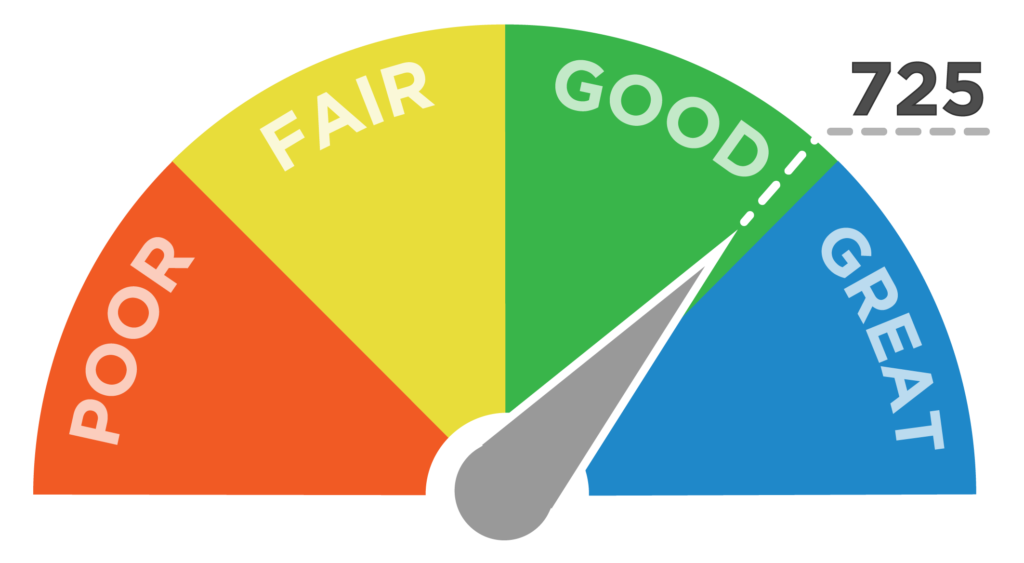
Most institutions will look for a credit score between 670 and 750, though other lenders may approve a score between 580 and 669. Improving your credit score involves making payments on time, keeping your credit utilization low, and avoiding accounts being sent to collections.
Can paying off debt improve your credit score?
Yes, paying off your debt can improve your credit score since it lowers your credit utilization ratio, a term that refers to how well you manage debt. However, paying off your debt can either raise or lower your credit score depending on your repayment history and the debt type.
Does closing a credit card hurt your score?
Yes, closing a credit card can hurt your credit score if it causes your credit utilization ratio to increase. Having more available credit can help keep your credit utilization ratio low, while consistently making on-time payments can help support a higher credit score.
Improve Your Credit Score over Time with Our Help
Learning how to improve your credit score takes time and consistent effort, but there are several steps you can take to build or rebuild your credit. The fundamentals of building or rebuilding credit include:
- Make at least your minimum payments on time.
- Pay down (or even better, pay off) your credit card balance every month.
- Avoid applying for multiple new credit accounts within a short period.
- Bring past-due accounts current as soon as possible.
- Before closing a credit card account, consider how doing so could affect your credit utilization and the age of your credit accounts.
These do not include all possible methods of building or rebuilding credit, but they provide a solid starting point. In the meantime, check out our credit card counseling services to see how we can help you manage your debt and work toward your financial goals.
Disclaimer: Score and modeling may vary from lender to lender. Because of the complicated nature of the statistical models and abundance of information on credit reports, these tips cannot be considered guarantees to improving your credit score.

About the Author
Author and Accredited Financial Counselor®, Todd R. Christensen, MIM, MA, is the Education Manager for Debt Reduction Services, a nationwide nonprofit financial wellness and credit counseling agency. Todd develops educational programs and produces materials that teach personal financial skills and responsibilities to all ages. He’s also the author of the book Everyday Money for Everyday People.